
Understanding the ADA Diabetes Risk Test: Know Your Risk in 60 Seconds
Diabetes remains a major public health concern in the United States, affecting millions of adults, many of whom are unaware of their risk. According to the Centers for Disease Control and Prevention (CDC), more than 40 million Americans live with diabetes, while approximately 115 million adults have prediabetes, and nearly 80% do not know they have it. As early stages often develop without noticeable symptoms, understanding personal risk plays a critical role in prevention and early intervention.
Various awareness initiatives encourage individuals to take simple preventive steps, including the American Diabetes Association 60-Second Type 2 Diabetes Risk Test, a quick, non-diagnostic screening designed to highlight potential risk factors.
In this post, you will learn how the ADA Diabetes Risk Test works, what risk factors it evaluates, why early screening matters, and how a one-minute assessment can support proactive diabetes prevention and health management.
Why Knowing Your Risk for Type 2 Diabetes Matters
Understanding your risk for Type 2 Diabetes is an important step toward prevention and long-term health management. As the condition often develops slowly, many people remain unaware of changes happening in their bodies. Knowing your risk early helps you take informed and proactive action.
Here’s why assessing your risk matters:
• Early stages often show no symptoms: Type 2 diabetes can develop quietly over several years. Many individuals feel healthy even as blood sugar levels begin to rise.
• Supports early prevention efforts: Identifying risk factors early allows individuals to make lifestyle adjustments such as improving diet, increasing physical activity, and maintaining a healthy weight.
• Encourages timely medical guidance: Understanding personal risk can prompt conversations with healthcare providers and lead to appropriate screening or monitoring.
• Helps reduce long-term health complications: Early awareness may lower the chances of complications affecting the heart, kidneys, nerves, and eyes.
• Promotes better health decisions: When people understand their risk level, they are more likely to adopt sustainable habits that support overall wellness.
• Empowers proactive health management: Risk awareness shifts the focus from treatment to prevention, helping individuals take control of their health before serious issues develop.
Knowing your risk does not confirm a diagnosis, but it provides valuable insight that can guide smarter health choices and encourage preventive care.
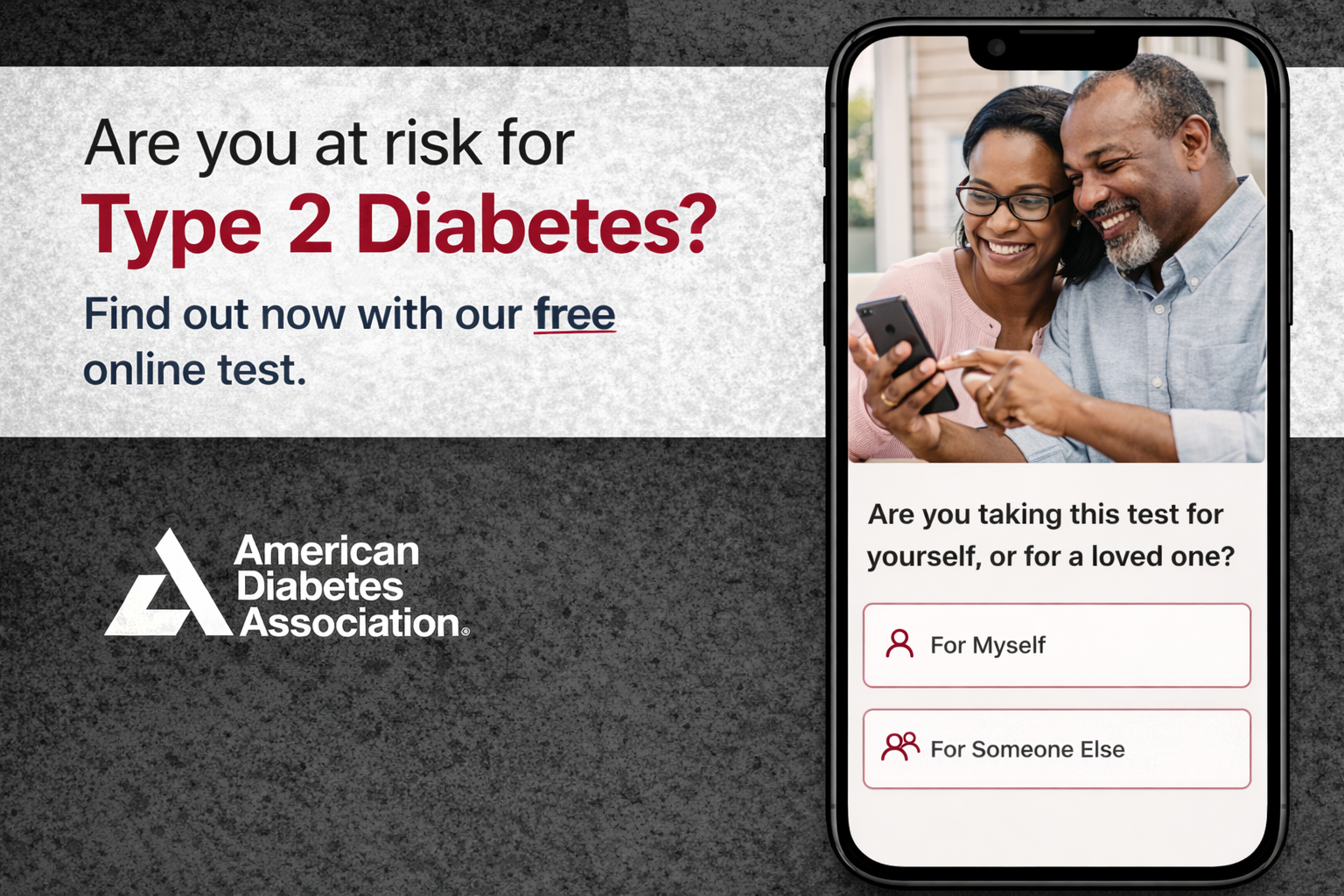
The ADA’s Free 60-Second Diabetes Risk Test
To help people take that first step, the American Diabetes Association (ADA) offers a free 60-Second Type 2 Diabetes Risk Test. This quick online questionnaire is designed to estimate an individual’s likelihood of developing type 2 diabetes based on common risk factors.
• Quick and convenient: The questionnaire takes about one minute to complete and can be done online from any device.
• Free and accessible: Anyone can take the test without cost or registration, making preventive screening widely available.
• Educational and awareness-focused: The questions help users understand how everyday factors such as age, activity level, and family history influence diabetes risk.
• Private and non-invasive: No medical procedures or personal health records are required to receive results.
• Designed for early awareness: The goal is to encourage individuals to recognize potential risk and consider further medical evaluation if needed.
A Screening Tool, Not a Diagnosis
It is important to understand what the ADA risk test is and what it is not.
The test is non-diagnostic, meaning it does not confirm whether someone has diabetes or prediabetes. Instead, it evaluates risk patterns based on scientifically recognized factors. It should be viewed as a starting point that helps identify whether further medical evaluation may be beneficial.
Only a qualified healthcare professional can diagnose Type 2 Diabetes through laboratory testing, which may include:
• Fasting blood glucose tests
• A1C blood tests
• Oral glucose tolerance tests
If the risk test indicates a higher likelihood of diabetes, the next step should always be consulting a healthcare provider for proper screening, diagnosis, and personalized medical guidance.
What Risk Factors Does the ADA Test Evaluate?
The American Diabetes Association risk assessment is based on established clinical research and focuses on factors commonly associated with Type 2 Diabetes risk. While the scoring system is designed to remain simple for users, it evaluates several key health and lifestyle indicators that influence the likelihood of developing diabetes.
The test generally considers the following risk factors:
• Age: Risk increases as people grow older, particularly after age 45, as the body’s ability to regulate blood sugar may gradually change over time.
• Family History: Having a parent or sibling with diabetes can increase the likelihood of developing the condition due to shared genetic and lifestyle factors.
• Weight and Body Composition: Higher body weight, especially excess abdominal fat, is strongly associated with insulin resistance and increased diabetes risk.
• Physical Activity Levels: Limited physical activity or sedentary habits may contribute to higher blood sugar levels and reduced insulin sensitivity.
• Blood Pressure History: High blood pressure often occurs alongside metabolic conditions that elevate diabetes risk.
• Gestational Diabetes (for women): Women who experienced diabetes during pregnancy may face a higher long-term risk of developing type 2 diabetes later in life.
• Ethnic and Genetic Background: Certain populations statistically experience higher rates of type 2 diabetes due to genetic predisposition and environmental influences.
By combining these factors, the test provides a quick overview of overall risk, helping individuals understand whether preventive action or medical consultation may be beneficial.
What to Do After Taking the Risk Test
Your results should be viewed as guidance rather than a conclusion. The ADA Diabetes Risk Test helps highlight potential risk levels and encourages the next appropriate steps toward better health awareness.
If your score indicates a higher risk, consider the following actions:
• Schedule a medical screening: A healthcare provider can perform blood tests to evaluate blood glucose levels accurately.
• Discuss lifestyle strategies with a healthcare professional: Personalized advice on nutrition, physical activity, and weight management can help reduce risk.
• Monitor blood glucose levels when recommended: Regular monitoring may help track changes and support early intervention.
• Adopt gradual and sustainable health changes: Small adjustments to daily habits often lead to long-term improvements in overall health.
Even individuals with lower risk scores benefit from maintaining healthy routines and reassessing their risk periodically, especially as age, lifestyle, and medical history change over time.
Small Steps Today Can Protect Tomorrow
The strength of the American Diabetes Association Diabetes Risk Test lies in its simplicity. In just 60 seconds, it encourages awareness, motivates preventive action, and helps individuals take a more active role in their health journey.
Prevention begins with knowledge and early awareness. Whether you are evaluating your own risk or encouraging a family member to do the same, a small step taken today can contribute to healthier outcomes in the future.
Take Control of Your Diabetes Care with the Right Supplies
For individuals managing Type 2 Diabetes or monitoring their health proactively, having reliable supplies is essential for consistent care and confidence. Pharmalynk offers a wide selection of trusted diabetes management products designed to support daily monitoring and long-term wellness. Explore Pharmalynk’s complete range of diabetes care essentials here: https://store.pharmalynk.com/collections/diabetic-supplies. From testing supplies to everyday management tools, access to dependable resources can help make diabetes care simpler, safer, and more effective while supporting better health management every day.




Maintaining well-being can be challenging when daily demands leave little time to pause and recharge. Work deadlines, personal responsibilities, changing schedules, and limited downtime can all contribute to ongoing stress.