
At-Home COVID Testing Made Simple: When, How and How Often to Test
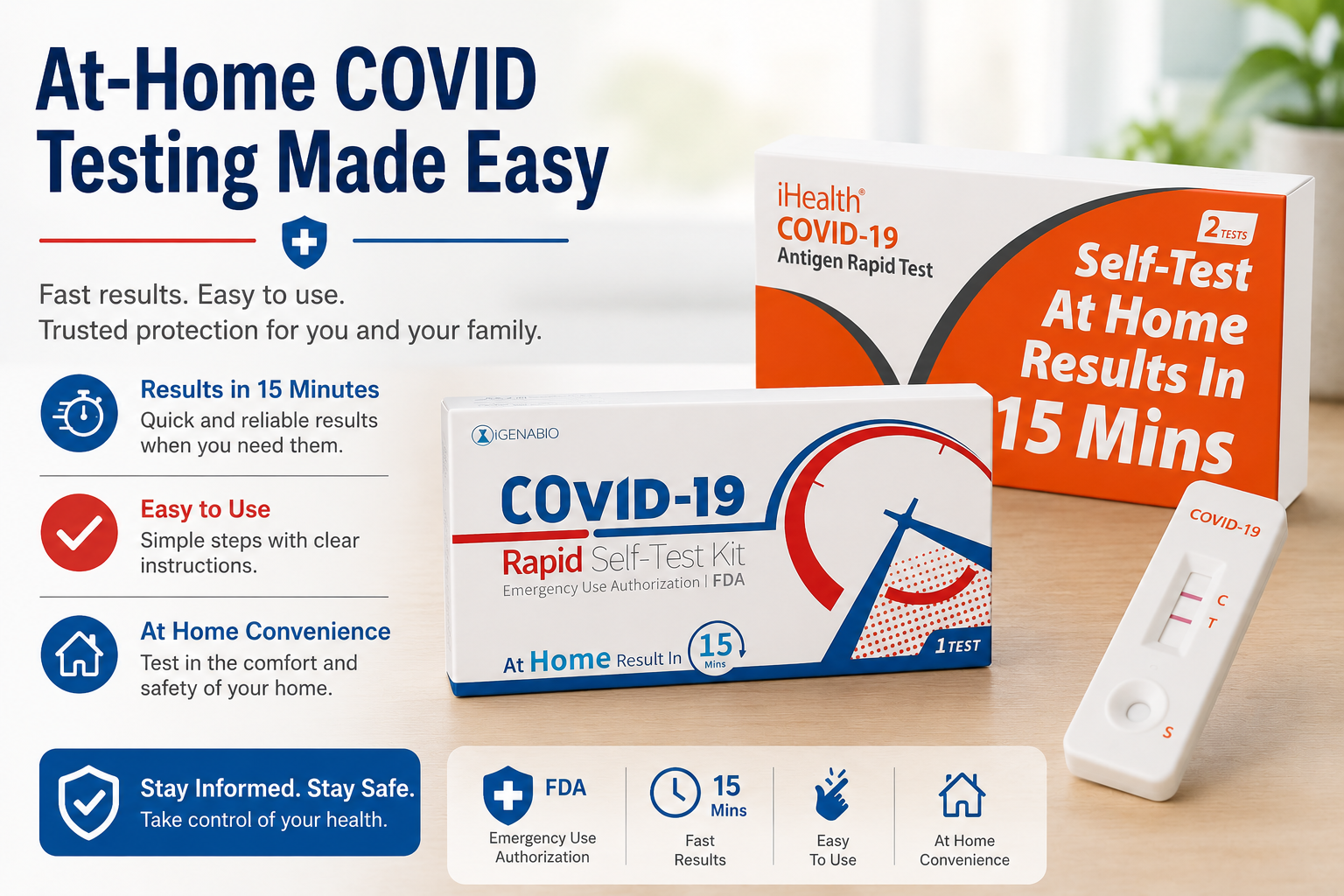
At-home COVID-19 rapid antigen tests have become a convenient and accessible way for people to check COVID-19 infection without visiting a clinic or lab. These rapid tests are designed to detect proteins from the virus and can provide results within minutes, making them useful for early detection. Many people use at-home COVID test kits before gatherings, after exposure, or when experiencing symptoms such as fever, cough, sore throat, congestion, or fatigue. Rapid testing also helps individuals make quicker decisions about isolation, travel plans, social interactions, and daily activities. With easy-to-use test kits now widely available, at-home COVID testing has become an important part of everyday health monitoring and responsible wellness practices.
When One COVID Test Is Enough vs When Multiple Tests Are Recommended
In some situations, a single COVID antigen test offers enough clarity, while in others, repeat testing is recommended to improve detection confidence and reduce the chances of false-negative results.
When One Test May Be Enough
• A rapid COVID test is often enough when symptoms are obvious, and results appear clearly positive immediately.
• A single COVID test kit works well for routine screening before family visits, meetings events, or crowded indoor settings. One COVID test kit is often enough in low-risk situations where there has been no recent close contact with infected individuals.
• A single COVID antigen test may provide sufficient reassurance when testing several days after possible exposure without developing symptoms.
A single rapid COVID test may be adequate for same-day screening when immediate results are needed for short-term activities or appointments.
When Multiple Tests Are Recommended
• Repeat rapid COVID testing is often recommended when symptoms continue despite receiving an initial negative at-home COVID test result.
• Multiple COVID tests may be necessary after close contact with someone who recently tested positive during indoor interactions or shared activities.
• Repeated at-home COVID testing can improve detection accuracy when the first test is taken too soon after possible exposure.
• Another COVID test kit may be needed when symptoms worsen or new symptoms develop after an earlier negative result.
• Multiple home COVID test kit screenings are often used before visiting elderly relatives or medically vulnerable individuals.
Repeat COVID antigen testing may provide greater reassurance in situations involving ongoing exposure risk or frequent social contact.
When to Take a COVID Test
Knowing when to use an at-home COVID test improves result accuracy and reduces unnecessary exposure concerns significantly.
• After Exposure to Someone with COVID 19: Testing several days after exposure may improve rapid COVID test accuracy because viral levels often take time to become detectable.
• When Symptoms Start Appearing: Using a COVID antigen test is recommended when symptoms such as fever, cough, congestion, fatigue, headaches, or sore throat begin developing.
• Before Travel or Gatherings: Taking a COVID test kit before flights, vacations, workplace meetings, or family gatherings may provide added reassurance and support safer interactions.
How to Use COVID Rapid Test Kits Correctly
Using an at home COVID test correctly improves reliability, especially during travel, work routines, or busy family schedules.
• Step 1: Wash and Prepare: Wash hands thoroughly before opening the COVID test kit and prepare components on a clean, dry surface carefully.
• Step 2: Read Instructions Carefully: Review the home COVID test kit instructions thoroughly to follow the correct timing, sample collection, and result interpretation steps accurately.
• Step 3: Collect the Sample Correctly: Insert the swab gently into each nostril because proper sampling improves COVID antigen test accuracy significantly during testing.
• Step 4: Process the Test Sample: Place the sample carefully into the solution tube as preparation errors may affect rapid COVID test interpretation later.
• Step 5: Apply the Sample Properly: Add recommended drops carefully onto the COVID test kit cassette to ensure accurate processing and clear result visibility.
• Step 6: Wait the Full Recommended Time: Allow the at-home COVID test to process for the full recommended duration to ensure accurate result interpretation and reduce unnecessary confusion.
• Step 7: Interpret Results Carefully: Check the visible lines on the rapid COVID test kit carefully to identify whether the result is positive, negative, or invalid after processing.
Usage Tips & Best Practices
Here are some useful tips and best practices for improving COVID test accuracy.
• Store every COVID test kit in cool, dry environments away from sunlight, moisture, and excessive household heat exposure.
• Verify expiration dates before using an at-home COVID test.
Follow all COVID antigen test instructions carefully, including guidance related to eating, drinking, or using nasal sprays before testing. Consider repeat testing or medical guidance if symptoms continue despite receiving negative COVID test results.
Stay Ready with Trusted At-Home COVID Testing
Stay prepared with reliable at-home COVID test kits from Pharmalynk Marketplace. Explore convenient rapid testing solutions designed for fast results, everyday reassurance, and dependable home health monitoring.


About 54 million Americans have osteoporosis or low bone density, making bone health an important consideration across the lifespan. World Osteoporosis Day, observed on October 20, provides an opportunity to raise osteoporosis awareness and encourage people to pay closer attention to their bone health.