
World Osteoporosis Day: A Guide to Better Bone Health
About 54 million Americans have osteoporosis or low bone density, making bone health an important consideration across the lifespan. World Osteoporosis Day, observed on October 20, provides an opportunity to raise osteoporosis awareness and encourage people to pay closer attention to their bone health. Osteoporosis is a condition that weakens bones and increases the risk of fractures, often without noticeable symptoms until a fracture occurs.
Supporting healthy bones involves more than focusing on one nutrient or lifestyle habit. Physical activity, balanced nutrition, healthy lifestyle choices, and awareness of individual risk factors can all contribute to a long-term approach to bone health. This World Osteoporosis Day, understanding these factors can help people make informed choices about bone health at every stage of life.
Understanding Osteoporosis and Bone Health
Bones are living tissue that constantly undergoes remodeling, a process in which old or damaged bone is broken down and replaced with new bone. During childhood and adolescence, bone formation exceeds bone loss, helping bones grow and become denser. Bone mass typically reaches its peak in early adulthood. Later in life, the balance between bone formation and breakdown can shift, leading to gradual bone loss.
Osteoporosis occurs when bone mass and mineral density decrease and the internal structure of bone becomes weaker. This can reduce bone strength and make fractures more likely. Bone mineral density is one measure used to assess bone health, but bone strength also depends on the quality and structure of bone tissue.
As osteoporosis can develop without noticeable symptoms, a person may not know they have low bone strength until a fracture occurs. Bone density testing, such as a DXA scan, can measure bone mineral density and help healthcare professionals assess bone health when testing is appropriate.
What Can Affect Your Risk of Osteoporosis
Several factors can influence the likelihood of developing osteoporosis. Some cannot be changed, while others relate to nutrition, lifestyle, medications, or underlying health conditions.
• Age: Bone loss generally increases with age, raising osteoporosis risk over time.
• Sex and hormones: Women have a higher risk, particularly after menopause. Low testosterone can also increase risk in men.
• Family history: Having a parent with osteoporosis or a hip fracture can increase your risk.
• Nutrition: Inadequate calcium, vitamin D, or protein intake can contribute to poorer bone health.
• Physical inactivity: Limited physical activity or prolonged periods of inactivity can contribute to bone loss.
• Smoking and heavy alcohol use: Both are associated with a higher risk of osteoporosis and fractures.
• Certain health conditions and medications: Some medical conditions and long-term use of medications such as glucocorticoids can affect bone health.
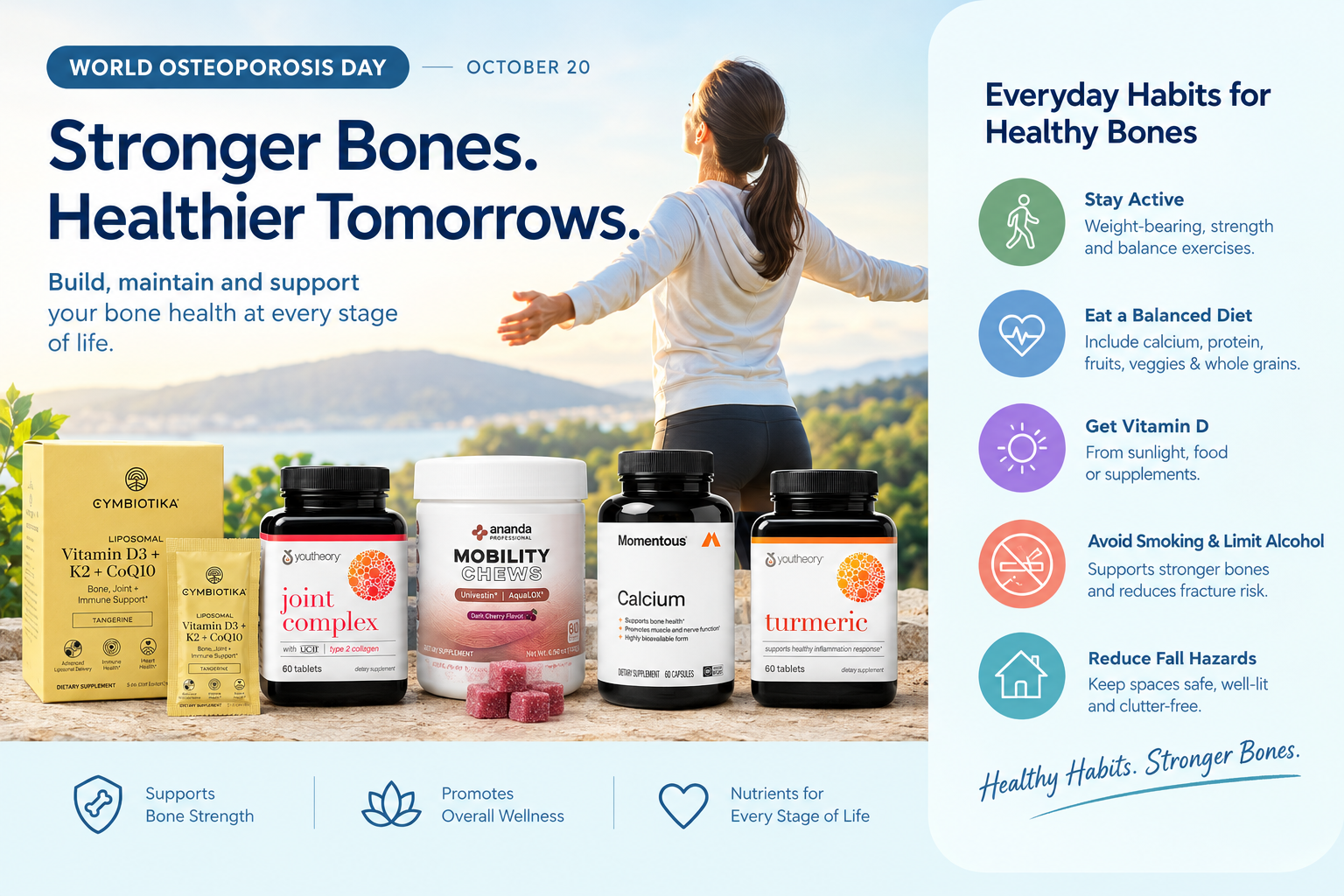
Everyday Habits That Support Healthy Bones
Several everyday habits can help maintain bone health and form part of a broader approach to osteoporosis prevention:
• Stay physically active: Weight-bearing activities, such as walking and stair climbing, and muscle-strengthening exercises place beneficial stress on bones and support muscle strength. Balance exercises are also useful for older adults.
• Eat a balanced diet: Include adequate calcium and protein along with a variety of fruits, vegetables, whole grains, and other nutrient-rich foods to support overall nutritional needs.
• Maintain adequate vitamin D: Vitamin D helps the body absorb calcium and supports normal bone function. Dietary intake, sunlight exposure, and supplementation needs vary among individuals.
• Avoid smoking and limit alcohol: Smoking is associated with reduced bone health, while excessive alcohol consumption can increase the risk of bone loss and fractures.
• Reduce fall hazards: Keeping walkways clear, improving lighting, and addressing loose rugs or other household hazards can help reduce fall risks, particularly for older adults.
These habits support overall bone health but do not replace medical evaluation, bone density testing when recommended, or individualized guidance from a healthcare professional.
Choosing Bone Health Products at Pharmalynk
Pharmalynk offers several vitamins and supplements that contain nutrients associated with normal bone health. When choosing a product, consider the nutrients you already receive from food and other supplements, along with your individual nutritional needs.
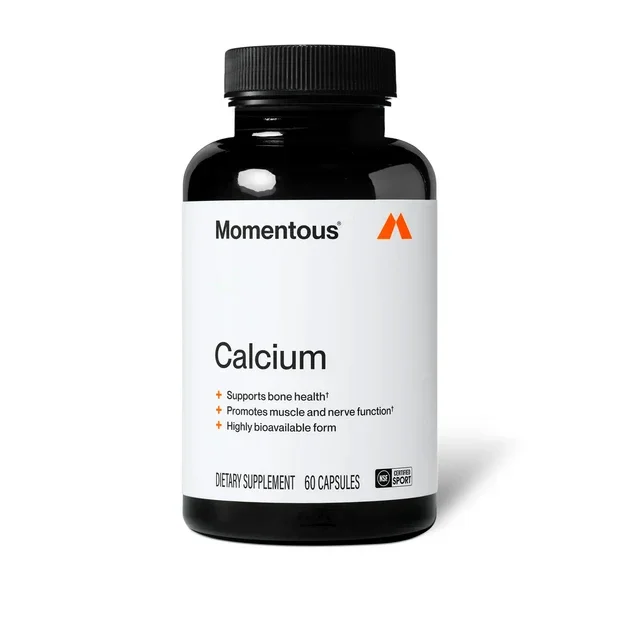
• Calcium Supplements: Calcium is a major mineral found in bone. Pharmalynk carries Momentous Calcium 250 mg with DimaCal, providing a targeted calcium supplement for people looking to include calcium in their daily nutrition routine.
• Vitamin D Supplements: Vitamin D helps the body absorb calcium and supports normal bone function. Pharmalynk offers Cymbiotika Liposomal Vitamin D3 + K2 + CoQ10, which combines vitamin D3 with vitamins K2 and CoQ10.
• Magnesium Supplements: Magnesium contributes to normal bone health and is involved in several processes related to mineral metabolism. Qualia Magnesium+ provides magnesium in multiple forms and includes boron, while Cymbiotika Magnesium Complex provides three forms of magnesium.
• Multivitamins With Bone-Related Nutrients: A multivitamin can provide several nutrients in one formula. Momentous Multivitamin contains vitamin D3, calcium, magnesium, vitamin K, and other vitamins and minerals as part of a broader daily nutrition formula.
• Vitamin D + K2 Formulas: Some products combine nutrients that are commonly included in bone health formulations. Pharmalynk's Cymbiotika Vitamin D3 + K2 + CoQ10 provides vitamin D3 alongside two forms of vitamin K2, making it another option to consider when reviewing vitamin and mineral products.


Find Nutritional Support for Healthy Bones
World Osteoporosis Day is an opportunity to pay closer attention to the nutrients that support bone health throughout life. Pharmalynk offers a range of nutritional products to complement different dietary needs and everyday routines. Explore Pharmalynk’s selection of calcium, vitamin D, magnesium, multivitamins, and other nutritional essentials to find options that fit your individual needs.



About 54 million Americans have osteoporosis or low bone density, making bone health an important consideration across the lifespan. World Osteoporosis Day, observed on October 20, provides an opportunity to raise osteoporosis awareness and encourage people to pay closer attention to their bone health.