
Creatine Benefits Beyond Muscle Building: Brain, Energy & Recovery
When most people hear the word creatine, they immediately think of bodybuilders, athletes, and strength training. For years, creatine has been one of the most widely used sports nutrition supplements, recognized for its role in supporting muscle performance, strength, and exercise capacity. In fact, it remains one of the most extensively researched dietary supplements available today. However, recent research has expanded our understanding of creatine far beyond the gym.
Scientists are increasingly exploring how creatine may support cellular energy production throughout the body, including in the brain and nervous system, contributing to cognitive performance, recovery, healthy aging, and overall wellness. This growing body of research has made creatine relevant not only for athletes but also for active individuals, older adults, busy professionals, vegetarians, and anyone interested in supporting their body's energy demands. This post explores how creatine works, its benefits beyond muscle building, the different forms available, and who may benefit from adding creatine to their wellness routine.
Note: Creatine supplements are not intended to diagnose, treat, cure, or prevent any disease. This post is for informational purposes only.
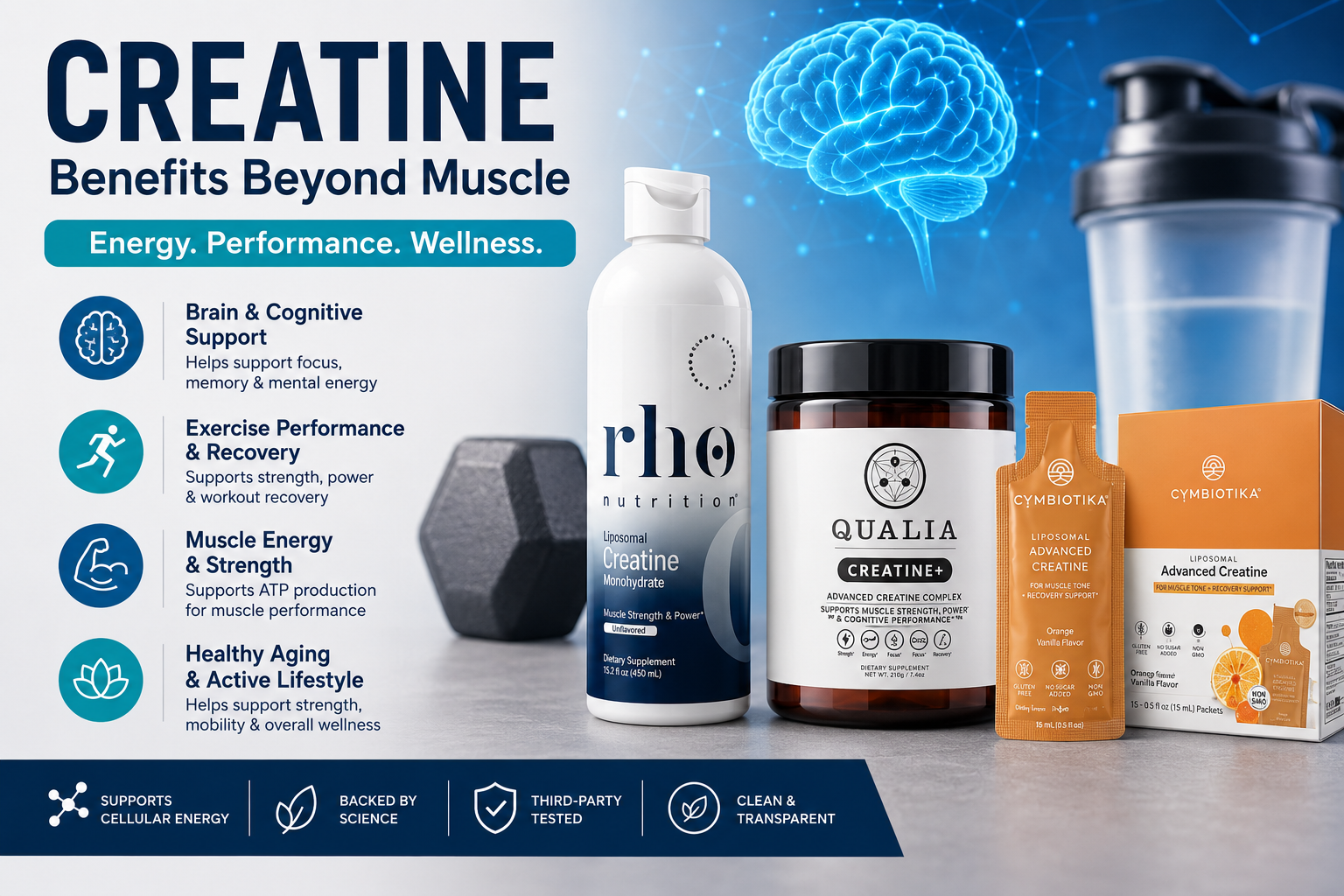
What is Creatine?
Creatine is a naturally occurring compound produced by the body from amino acids, primarily in the liver, kidneys, and pancreas. It is then transported to tissues that require large amounts of energy, particularly skeletal muscles and the brain.
Approximately 95% of the body's creatine is stored in muscles, while the remaining amount is distributed throughout the brain and other tissues. Its primary role is to help support the production of adenosine triphosphate (ATP), which serves as the body's main energy currency.
The body also obtains creatine through dietary sources such as red meat, poultry, and fish. However, dietary intake alone may not always provide optimal amounts, especially for individuals following vegetarian or vegan diets. However, cooking may marginally reduce the creatine content, which is why supplementation may be necessary. It is also essential for vegans and vegetarians.
Supplemental creatine is typically consumed as a powder or capsule. It raises the concentration of creatine (and its storage form, phosphocreatine) in muscle and brain tissue. From there, it gets to work at the cellular level.
How Creatine Supports Cellular Energy Production
To understand creatine's broader wellness benefits, knowing its role in energy metabolism is essential.
• Understanding the Creatine-ATP Connection: Every cell in the body relies on ATP for energy. Whether you are lifting weights, climbing stairs, concentrating on a complex task, or simply carrying out daily activities, your cells are continuously using ATP to perform their functions. The challenge is that ATP stores within cells are limited and can become depleted quickly during periods of high energy demand. This is where creatine becomes important.
• Role of Phosphocreatine: Creatine is stored in the body as phosphocreatine. When ATP levels begin to drop, phosphocreatine donates a phosphate group to help regenerate ATP. This rapid ATP recycling system allows cells to maintain energy production more efficiently.
• Easy Availability of Phosphocreatine: Muscles and brain cells have particularly high energy requirements, and hence they may benefit from adequate creatine availability. Higher creatine storage means a larger phosphocreatine reserve and subsequently faster ATP regeneration. By supporting ATP regeneration, creatine helps maintain cellular energy balance, especially during physically or mentally demanding activities.
Cognitive and Wellness Benefits of Creatine
Creatine is often associated with sports performance and strength training. However, growing research continues to explore how its role in cellular energy production may support broader cognitive and wellness functions beyond exercise. Here are some of the key areas attracting attention:
• Brain Energy Support: The brain requires a constant supply of energy to support focus, learning, memory, and communication between cells. Creatine helps support ATP production in brain tissue, making it an area of interest for researchers studying cognitive function during periods of increased mental demand.
• Cognitive Performance and Mental Focus: Long workdays, academic pressure, and inadequate sleep can challenge mental performance. Research suggests creatine can help support memory, concentration, processing speed, and mental stamina by helping maintain cellular energy availability when cognitive demands are elevated.
• Exercise Recovery Support: Recovery is essential for maintaining training consistency. Creatine is commonly used as part of a post-workout routine because it helps replenish phosphocreatine stores and supports cellular energy production. It works best alongside adequate sleep, hydration, and balanced nutrition.
• Healthy Aging and Physical Function: Maintaining strength and mobility becomes increasingly important with age. Research suggests creatine, particularly when combined with resistance exercise, may help support muscle energy metabolism, preserve strength, improve physical performance, and maintain overall functional capacity in older adults.
• Daily Energy and Active Lifestyle Support: Creatine is not limited to athletes or bodybuilders. Individuals with active lifestyles often use it to support the body's natural energy systems, helping them stay consistent with exercise routines, recreational sports, and everyday physical activities.
Understanding Different Forms of Creatine
The supplement aisle offers more than one type of creatine, and the differences matter. They vary in solubility, formulation, and how they are typically used. Here is what you should know.
• Creatine Monohydrate: This is the original and most widely studied form of creatine. Most of the research you see around creatine supplementation is based on this version. It has a long track record in terms of safety and effectiveness and is often considered the standard reference for creatine products.
• Micronized Creatine Monohydrate: This is the same creatine monohydrate, just processed into finer particles. It mixes more easily in water, which makes it a bit more convenient for daily use. While the core benefits stay the same, the focus here is on texture and ease of mixing.
• Creatine Hydrochloride (HCl): Creatine HCl is bound to a hydrochloride group, which improves how easily it dissolves in liquid. This is the reason why people usually take smaller doses. Some also find this gentler on the gut, especially if standard creatine feels heavy.
• Buffered Creatine: Buffered creatine is developed to stay more stable at a higher pH. The idea is that better stability could support absorption. Research here is still limited compared to monohydrate; however, some users prefer it as an alternative option.
• Creatine Blends and Advanced Formulas: These combine different forms of creatine or add certain amino acids and electrolytes. They are usually chosen by people who prefer an all-in-one supplement for training support without taking multiple products.
Who May Benefit from Creatine Supplements?
Creatine has expanded well beyond sports nutrition. Its potential benefits touch multiple groups, and you may fit more than one of these profiles.
• For athletes and strength trainers, creatine directly supports the ATP–phosphocreatine system that fuels high-intensity efforts such as sprinting, lifting, and explosive sports.
• For recreational exercisers, creatine can help sustain training intensity and support consistency across workouts, making it a practical addition even outside competitive sport.
• For vegetarians and vegans, dietary intake of creatine is minimal, often resulting in lower baseline stores. Supplementation offers a straightforward way to restore levels, with some evidence suggesting a stronger response in this group.
• For older adults, creatine is being studied for its role in supporting muscle function and physical performance, particularly when combined with resistance training and adequate nutrition.
• For individuals with high cognitive demands, emerging research explores creatine’s role in cellular energy availability in the brain, with interest in its potential to support mental fatigue resistance and cognitive resilience.
What to Look for in a Quality Creatine Supplement
Not all creatine products are created equal. Here are some important factors to consider before making a purchase.
• Ingredient Transparency: Choose products that clearly list the type and amount of creatine per serving. Transparent labeling helps consumers make informed decisions.
• Third-Party Testing: Independent testing can help verify product quality, purity, and label accuracy. Look for brands that prioritize quality assurance and manufacturing standards.
• Minimal Unnecessary Additives: Choose products with straightforward ingredient lists and limited fillers, artificial colors, sweeteners, dyes, and other unnecessary additives. If you have sensitivities, check the inactive ingredients list carefully.
• Reputable Manufacturing Standards: Look for supplements produced in facilities that follow Good Manufacturing Practices (GMP) and maintain strict quality control procedures.
• Brand Reputation: Purchasing from trusted retailers and established supplement brands can provide greater confidence in product quality and authenticity.
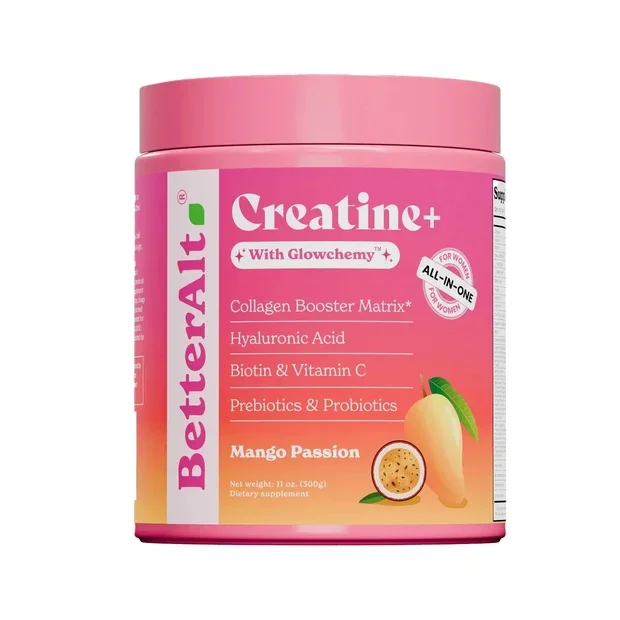
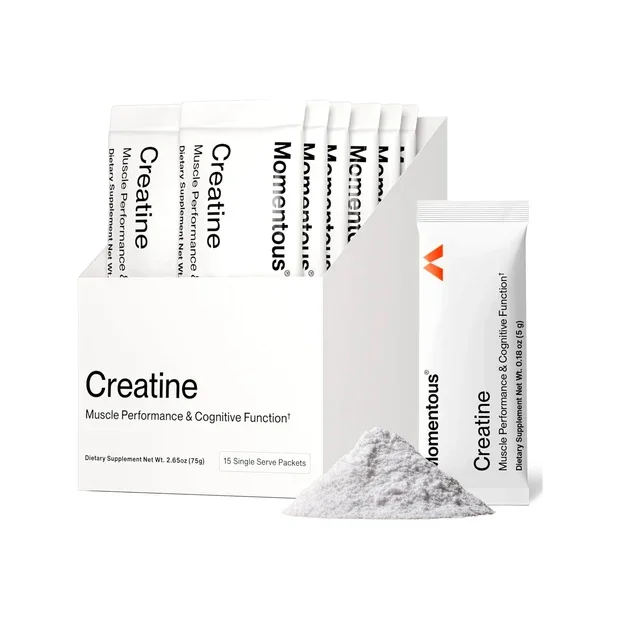
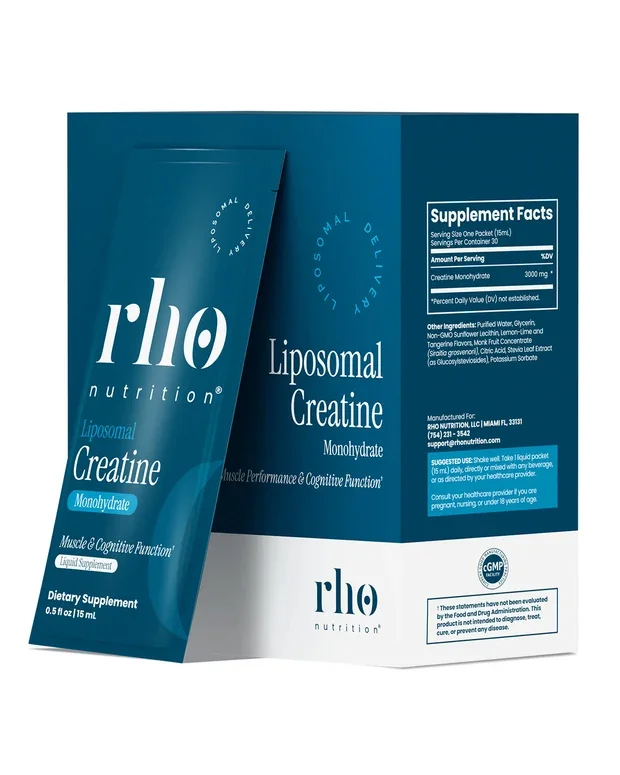
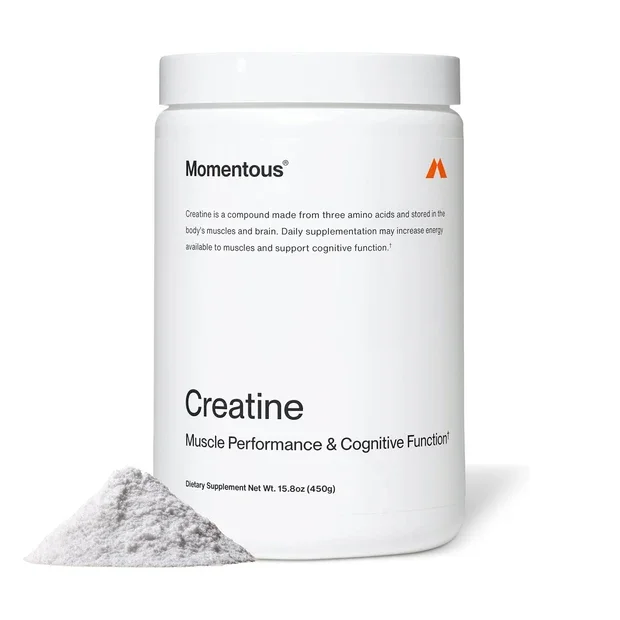
Sports Nutrition and Creatine Supplement Collection at Pharmalynk
Pharmalynk Marketplace offers a wide range of sports nutrition and wellness products from reputable supplement brands such as Momentous, Cymbiotika, Qualia, BetterAlt, and Rho Nutrition., helping customers find solutions that align with their health and fitness goals. Popular products include:
• Creatine Monohydrate Powders: Pharmalynk offers Momentous Creatine Monohydrate Powder and Rho Nutrition Liposomal Creatine Monohydrate, both designed for individuals seeking a dedicated creatine supplement to support strength, exercise performance, and cellular energy production.
• Advanced Creatine Formulas: Pharmalynk offers enhanced creatine products that combine creatine with complementary ingredients to support recovery, muscle performance, and overall wellness. Cymbiotika® Liposomal Advanced Creatine for Muscle Tone + Recovery Support, Qualia Creatine+ Advanced Creatine Complex, and BetterAlt Creatine+ with Glowchemy™ are some of these products available at Pharmalynk.
• Convenient Creatine Delivery Formats: For users who prefer alternatives to traditional powders, Pharmalynk offers easy-to-use options such as Momentous Creatine Monohydrate Chews, which provide a portable way to maintain a consistent creatine routine.
• Protein Supplements That Complement Creatine Use: Protein and creatine are often used together as part of a fitness routine. The collection includes products such as Momentous Creatine Monohydrate Powder Whey Protein Isolate and Momentous 100% Plant Protein, which can complement strength-training and recovery goals.
• Hydration and Performance Support Products: Hydration plays an important role in exercise performance and recovery. The sports nutrition collection here includes Liquid I.V. Hydration Multiplier Sugar-Free Electrolyte Drink Mix and Waterboy Workout Hydration Electrolyte Drink Mix to support hydration alongside an active lifestyle.
• Energy and Endurance Support Formulas: The sports nutrition collection also includes performance-focused products such as Ketone-IQ High Performance Energy Shots, which are designed for individuals looking to support training sessions, endurance activities, and demanding schedules.
Find High-Quality Creatine Supplements at Pharmalynk Marketplace
Choosing the right creatine supplement starts with selecting a trusted source. Whether you are looking for the proven reliability of NSF-certified creatine monohydrate, a liposomal formula for enhanced absorption, or a comprehensive creatine complex that also targets brain health, there is a product on this platform built for your goals. Every product available through Pharmalynk comes from established wellness brands prioritizing quality and authenticity. Explore the sports nutrition collection at Pharmalynk Marketplace and discover creatine products that can support your fitness, recovery, and wellness journey.
Frequently Asked Questions About Creatine Supplements
-
Yes, daily use is commonly recommended to help maintain creatine stores in the body.
-
No, a loading phase is optional, and many people simply start with a regular daily serving.
-
Yes, creatine is often used alongside protein powders, electrolytes, amino acids, and pre-workout supplements.
-
Store creatine in a cool, dry place and keep the container tightly sealed after use.




Hydration needs can vary with activity, weather, and daily routine. A typical workday may require a different approach to fluids than an intense workout or several hours outdoors. Understanding these differences can make it easier to choose a drink that fits the circumstances rather than relying on the same option every time.