
World Parkinson’s Day: Awareness, Early Detection & Everyday Support
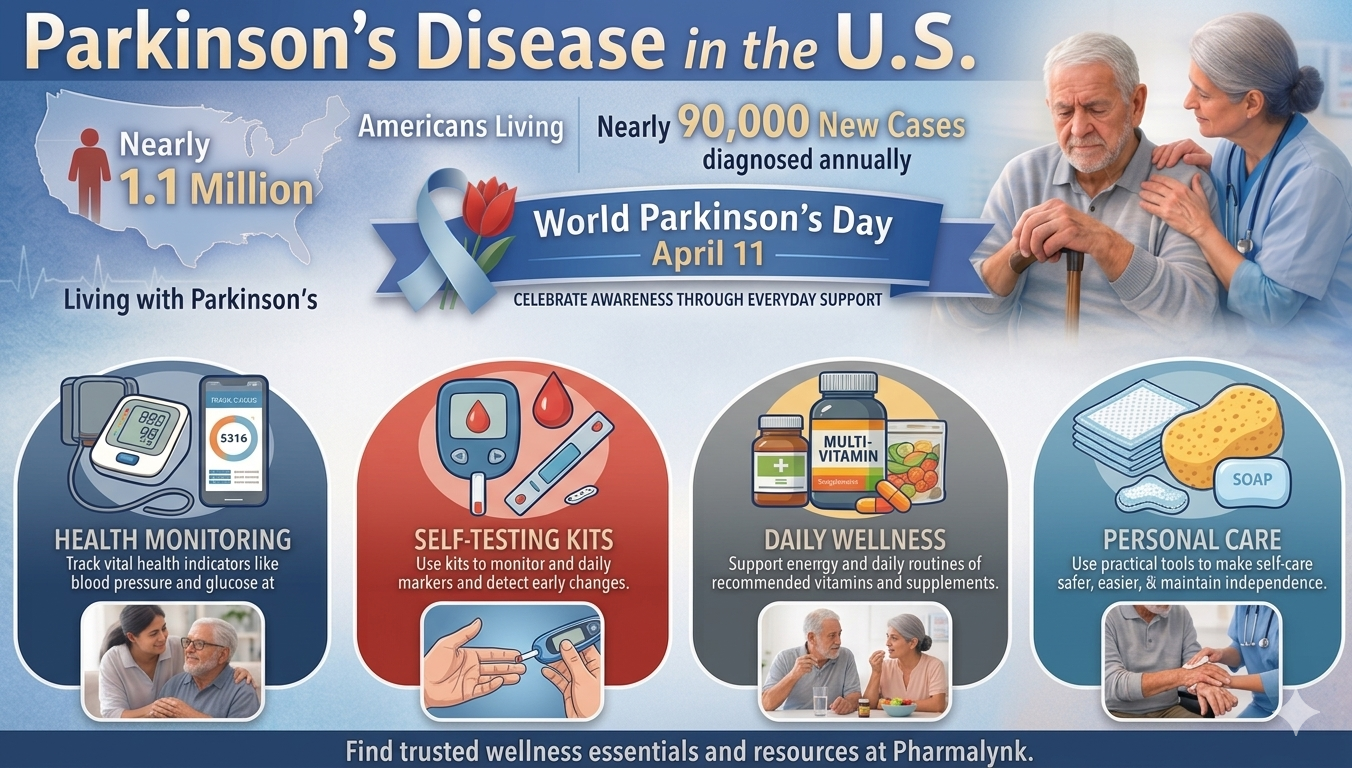
Parkinson’s disease continues to affect a growing number of individuals across the United States, with diagnosis rates increasing alongside an aging population. According to Parkinson’s Foundation, up to 1.1 million Americans are living with Parkinson’s disease, making it one of the most common neurodegenerative conditions in the country after Alzheimer’s disease. Nearly 90,000 people are diagnosed with Parkinson’s Disease every year. These growing numbers highlight the need for greater awareness, education, and proactive approaches to neurological health.
Observed annually on April 11, World Parkinson’s Day is a global initiative dedicated to increasing understanding of Parkinson’s disease and encouraging compassion, education, and support for those affected. The day highlights the importance of early detection, ongoing care, and proactive health management for individuals and families navigating neurological conditions. Through greater Parkinson’s disease awareness and informed health decisions, communities can help improve quality of life and promote stronger long-term neurological health care outcomes. This post focuses on Parkinson’s symptoms, the importance of early awareness, and practical ways to support brain health and everyday care for yourself or your loved ones.
Understanding Parkinson’s & the Importance of Awareness
Parkinson’s disease is a progressive neurological disorder that primarily affects movement. It develops when nerve cells in the brain responsible for producing dopamine gradually decline, leading to disruptions in motor control and coordination.
Common Parkinson’s symptoms may include:
• Tremors or shaking, often beginning in the hands
• Muscle stiffness or rigidity
• Slowed movement (bradykinesia)
• Balance difficulties and changes in posture
• Reduced facial expression or softer speech
As these symptoms often appear gradually, early signs may be overlooked or attributed to aging or fatigue. Greater brain health awareness helps individuals recognize potential neurological changes sooner and seek medical guidance at the right time. Early recognition allows healthcare providers to introduce supportive therapies, lifestyle adjustments, and monitoring strategies that can help manage symptoms more effectively.
World Parkinson’s Day serves as an important reminder that awareness is not only about diagnosis but also about understanding the daily experiences of people living with neurological conditions.
Preventive & Everyday Health: Small Actions That Matter
While Parkinson’s disease cannot currently be prevented or cured, maintaining overall health plays a meaningful role in supporting long-term well-being. Awareness encourages individuals to adopt proactive habits that support neurological health and general wellness.
Key everyday practices include:
• Monitoring overall health regularly through routine check-ups
• Paying attention to neurological changes such as tremors, sleep disturbances, or coordination issues
• Maintaining consistent communication with healthcare providers
• Supporting brain health through balanced nutrition, physical activity, and stress management
• Scheduling preventive screenings when recommended
These steps empower individuals and families to stay informed and actively engaged in their health journey.
Supporting Loved Ones Through Care and Everyday Essentials
Living with Parkinson’s often requires ongoing support that extends beyond medical treatment. Everyday tools and wellness resources can help individuals maintain independence, safety, and confidence in daily routines.
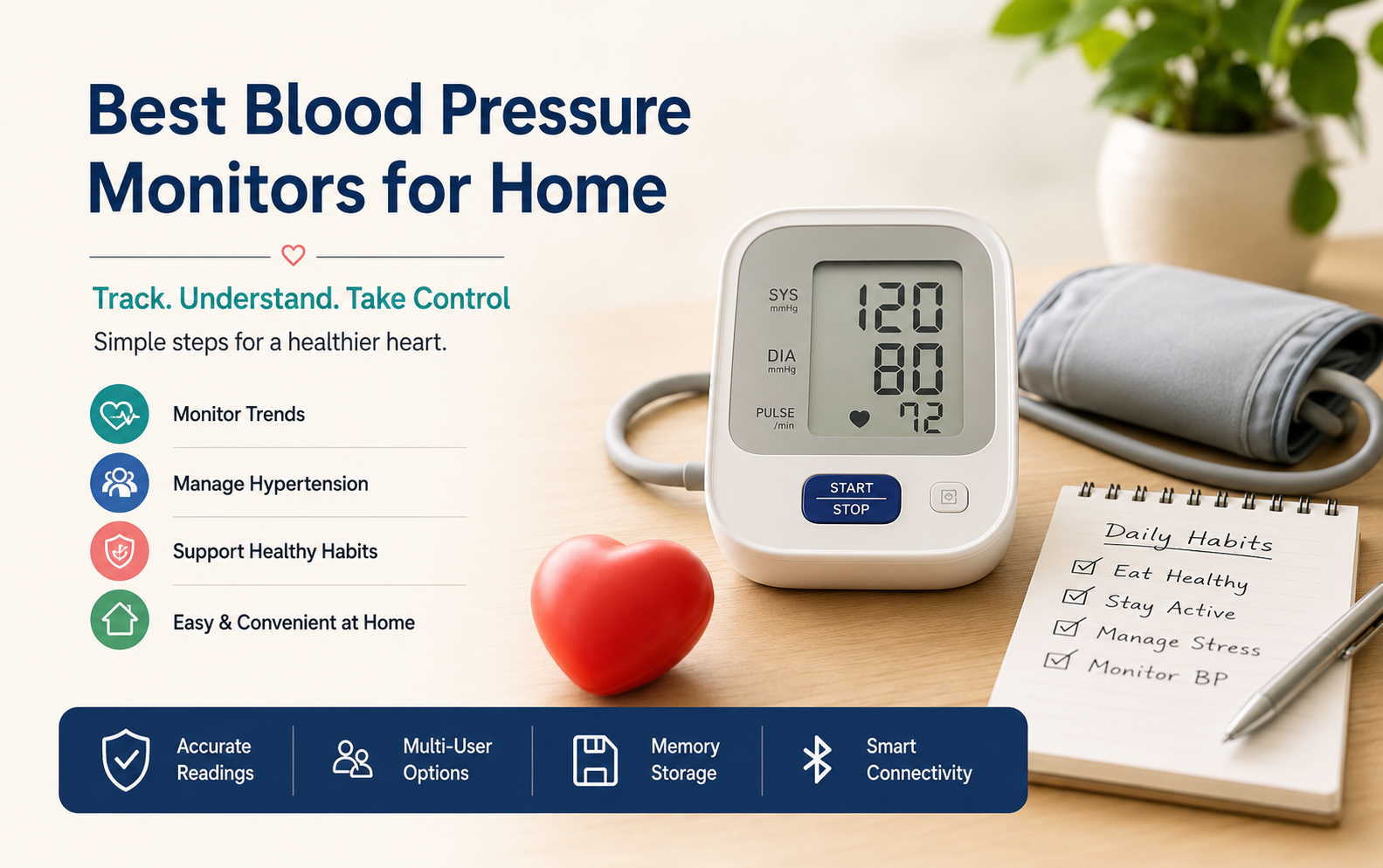
• Health Monitoring Devices: Blood pressure monitors and glucose tracking tools help individuals track vital health indicators at home. Regular monitoring supports early detection and informed discussions with healthcare providers.
• Self-Testing Kits for Preventive Care: Some popular self-testing kits for individuals with Parkinson’s symptoms include blood glucose tests, urinary health screening kits, and cardiovascular risk assessment kits. These tools help detect early changes, monitor vital health markers, and support proactive daily care.
• Daily Wellness Essentials: Supplements, vitamins, and mobility aids support energy, stability, and safe movement. These essentials help individuals maintain daily routines and improve comfort while managing Parkinson’s symptoms.
• Personal Care and Hygiene Products: No-rinse bathing wipes, absorbent briefs, protective underpads, hand sanitizers, skin barrier creams, and ergonomic grooming tools make daily self-care safer and easier, supporting independence and confidence.
These resources are not treatments for Parkinson’s disease but serve as practical tools that enhance quality of life and reinforce consistent health management.
Celebrate Awareness Through Everyday Support
This World Parkinson’s Day, awareness begins with understanding and continues through meaningful action. Supporting neurological health means encouraging early conversations, recognizing symptoms, and ensuring access to reliable wellness resources for individuals and caregivers alike. Explore trusted wellness and healthcare essentials at Pharmalynk to support yourself and your loved ones every day.




Pharmacy Week 2026 observed October 18–24, provides an opportunity to recognize pharmacists and pharmacy professionals and the support they provide as part of everyday healthcare. Their role extends beyond dispensing medications to include guidance, education, and support for everyday health needs.