
Coughs, colds, and the flu can interrupt daily routines, making it harder to stay comfortable and carry on with everyday activities. Symptoms such as congestion, sore throat, coughing, fatigue, and body aches may appear similar at first, making it difficult to know which respiratory illness you may be experiencing. Although these symptoms can overlap, a common cold and influenza are different respiratory illnesses, while a cough is a symptom that can have several underlying causes.
Understanding these differences can help individuals make informed choices about symptom management and everyday care. This guide covers key symptoms, everyday care, and tips for choosing the right essentials.
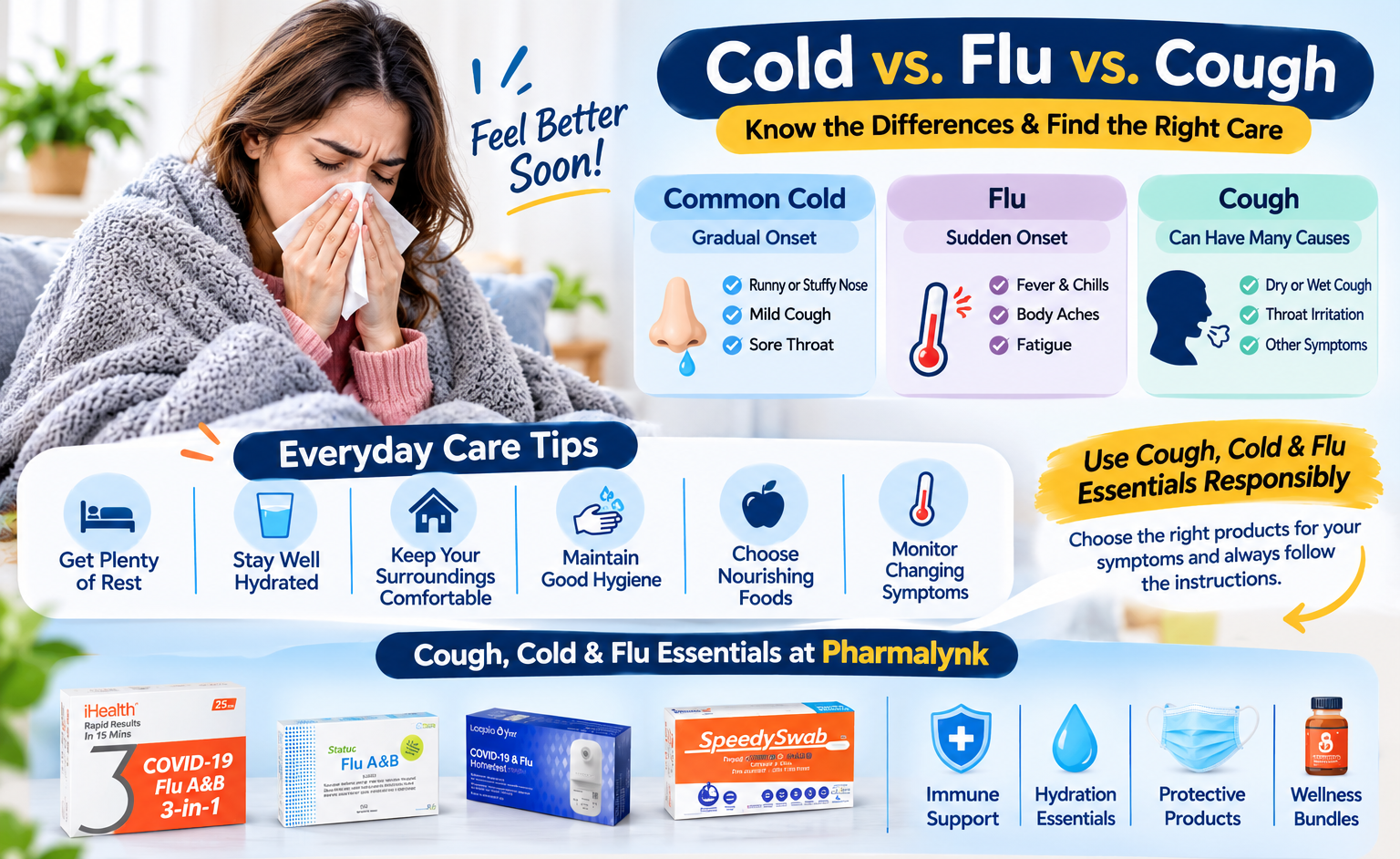
Cold vs. Flu vs. Cough: Understanding the Differences
Coughs, colds, and flu can share several symptoms, but they differ in how they typically begin and affect the body. Understanding these differences can help you recognize common patterns and make informed choices about everyday care.
| Factor | Common Cold | Cough | Flu |
|---|---|---|---|
| What it is | A common cold is a mild respiratory illness caused by different viruses and usually affects the nose and throat. | A cough is a symptom rather than a diagnosis. It may occur due to respiratory infections, allergies, airway irritation, or other underlying conditions. | Flu, or influenza, is a respiratory illness caused by influenza viruses and can affect the body more broadly than a typical cold. |
| How it usually begins | Cold symptoms often develop gradually and may include nasal congestion, a runny nose, sneezing, or a sore throat. | A cough is a symptom rather than a diagnosis. It can occur with respiratory infections, allergies, airway irritation, or other medical conditions. | Flu symptoms often appear more suddenly and may include fever, chills, cough, and a noticeable feeling of fatigue. |
| Common symptoms | A cold commonly causes a runny or blocked nose, sneezing, sore throat, mild cough, and occasional tiredness. | A cough may be dry or produce mucus, with other symptoms varying according to its underlying cause. | Flu commonly causes fever, chills, body aches, fatigue, headache, sore throat, and cough, with some people also experiencing nasal symptoms. |
| Overall severity | A cold is generally mild, although symptoms can cause temporary discomfort and interfere with everyday activities. | The severity of a cough can vary considerably depending on what is causing it and whether other symptoms are present. | Flu can sometimes lead to more serious health concerns, particularly in older adults, young children, pregnant people, and individuals with certain existing health concerns. |
| Body aches and fatigue | Mild tiredness or occasional aches can occur with a cold but are generally less pronounced. | Body aches and fatigue are not caused by a cough itself but may occur when the cough is associated with an infection. | Body aches and fatigue are common with flu and may be more noticeable than with a typical cold. |
| Everyday care | Rest, adequate fluid intake, and appropriate symptom-focused care can help support comfort while the body recovers. | Care depends on the underlying cause, so persistent or unexplained coughs may require testing and professional medical advice. | Rest, hydration, symptom-focused care, and monitoring symptoms can support everyday recovery, while some people may require medical guidance. |
| When to seek advice | Medical advice may be appropriate if symptoms become severe, persist longer than expected, or cause concern. | A severe, persistent, worsening, or unexplained cough should be discussed with a healthcare professional. | Medical advice should be considered if flu symptoms are severe, worsen, or cause concern, particularly for people at higher risk of complications. |
Note: Symptoms alone cannot reliably identify the cause of a respiratory illness. Consult a healthcare professional when symptoms are severe, persistent, or concerning.
Everyday Care Tips for Cough, Cold & Flu
When dealing with a cough, cold, or flu, simple daily habits may help support comfort and general well-being while your body recovers. Along with choosing appropriate products, paying attention to rest, hydration, your surroundings, and everyday routines can make recovery more manageable. Seek urgent medical attention if you experience breathing difficulties, persistent chest discomfort, confusion, or severe dehydration.
• Get Plenty of Rest: Give your body enough time to recover by prioritizing sleep and taking regular breaks throughout the day. Avoid strenuous activities if you are feeling weak, tired, or unwell, and gradually return to your usual routine as you start feeling better.
• Stay Well Hydrated: Drink water and other suitable fluids regularly throughout the day to help maintain hydration. Warm fluids may also feel soothing when you have a sore throat or congestion. If you have fever, vomiting, or other symptoms that may increase fluid loss, pay extra attention to your fluid intake.
• Keep Your Surroundings Comfortable: Maintain a comfortable indoor environment while you recover. Avoid exposure to cigarette smoke, strong fragrances, dust, and other potential respiratory irritants that may make coughing or throat discomfort feel worse. Good ventilation can also help maintain a fresh indoor environment.
• Maintain Good Hygiene: Practice simple hygiene habits such as washing your hands regularly, covering coughs and sneezes, and disposing of used tissues appropriately. These habits can help reduce the spread of respiratory infections, particularly when you are around family members, colleagues, or other people.
• Choose Nourishing Foods: Continue eating balanced meals as your appetite allows, including a variety of fruits, vegetables, whole grains, and other nutritious foods. If you have a reduced appetite, smaller meals throughout the day may be easier to manage while you recover.
• Use Cough, Cold & Flu Products Responsibly: Choose products according to your symptoms and intended use and always follow the manufacturer's directions. Check the recommended dose, frequency, duration, age restrictions, and other precautions before use, especially when using more than one product at the same time.
• Pay Attention to Changing Symptoms: Keep track of how your symptoms develop rather than focusing only on immediate relief. If symptoms become severe, continue to worsen, last longer than expected, or raise concerns, consider speaking with a healthcare professional for appropriate guidance.
Cough, Cold & Flu Essentials Available at Pharmalynk
Pharmalynk offers cough, cold, and flu essentials across categories, including nasal and throat care, testing, immune support, hydration, protective supplies, and wellness bundles.
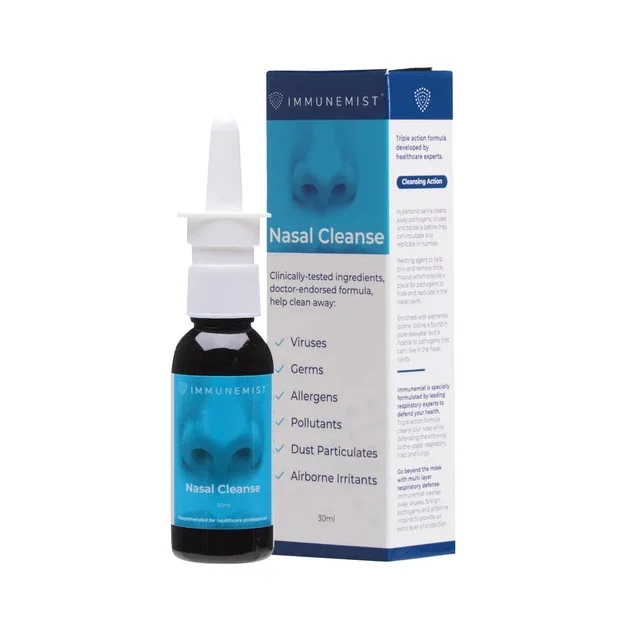
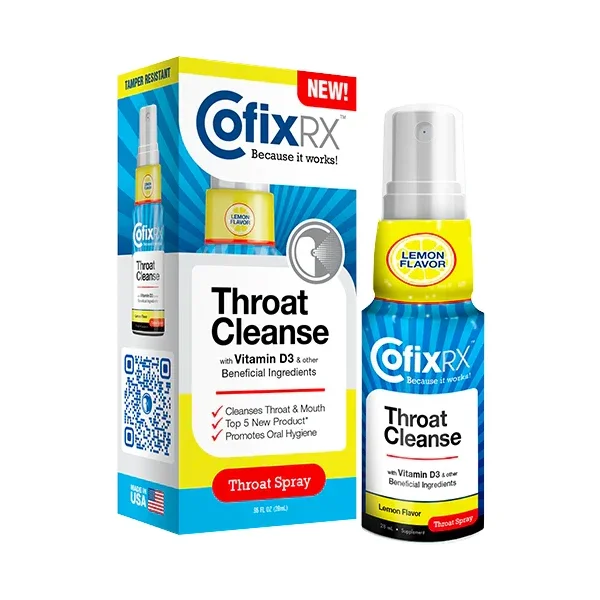
• Nasal and Throat Care: Nasal and throat care products are available in different formulations and formats to support personal care routines. Options in this collection include CofixRX™ (Povidone Iodine) Throat Care, CofixRX™ Nasal Cleansing (Povidone Iodine) Nasal Cleanse, Nasoclenz™ Nasal Cleansing Kits, and ImmuneMist™ Nasal and Oral Cleanses. Review each product's intended use, ingredients, directions, and precautions before use.
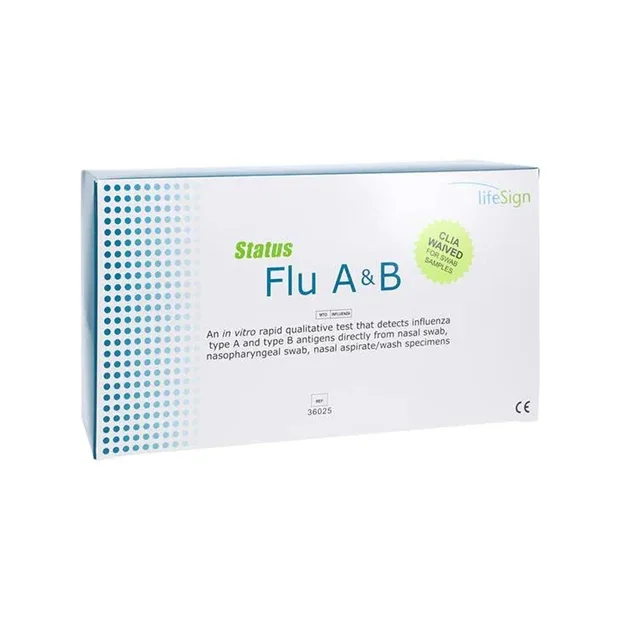
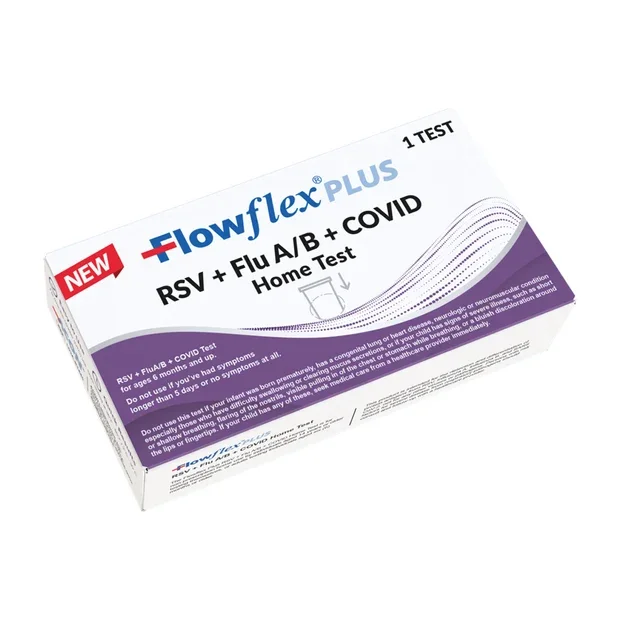
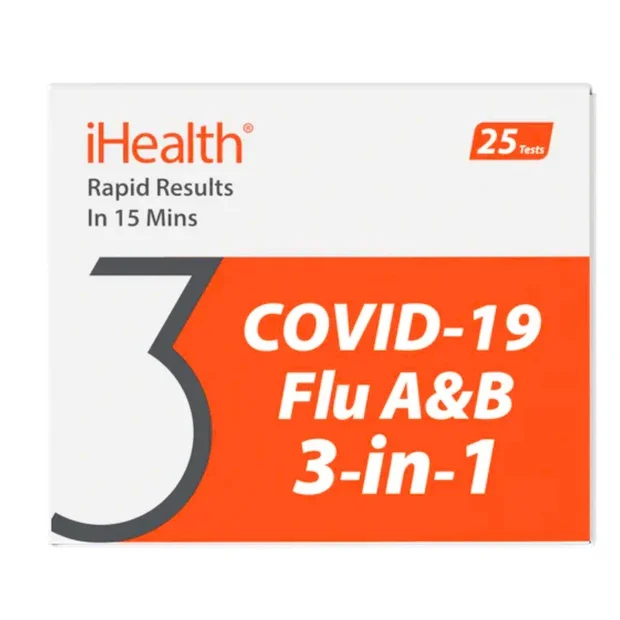
• Respiratory Testing Essentials: At-home and rapid testing options can help individuals check for certain respiratory infections when testing is appropriate. The collection includes Flowflex® PLUS COVID-19 & Flu A/B Home Test, iHealth At-Home COVID-19 Flu A&B Rapid Test, CorDx TyFast Flu A/B & COVID-19 At Home Multiplex Rapid Test, LifeSign Status™ COVID-19/Flu A&B Rapid Combination Test, and OSOM Ultra Plus Flu A & B Test.
Test accuracy and intended use vary by product. Results can depend on the timing of testing, sample collection, and proper use. A negative result does not always rule out infection and repeat testing may be recommended for certain tests. Always follow the product-specific instructions and consult a healthcare professional if symptoms persist or worsen.
• Vitamins and General Wellness Supplements: Pharmalynk offers a selection of vitamins, nutritional supplements, and general wellness products in different formats. Examples include Goli® Nutrition Immune Gummies, Goli® Nutrition Supergreens Gummies, Goli® Nutrition Superfruits Gummies, Source Naturals Wellness Formula, and Cymbiotika® Elderberry Immune Support & Defense Oil. Review product ingredients, serving instructions, and applicable warnings before use. Consult a qualified healthcare professional before adding supplements to your routine, particularly if you take medication or have an existing health condition.
• Hydration Essentials: Maintaining adequate fluid intake is an important part of everyday wellness. Pharmalynk features hydration products in convenient formats, including Liquid I.V. Hydration Multiplier+ Immune Support. Review the product's ingredients, directions, and nutritional information to determine whether it fits your preferences and routine.
• Protective Essentials: Personal protective products can be included in everyday hygiene and seasonal wellness routines. Available options include BYD N95 Particulate Face Masks, Guoyan KN95 Mask, LHM Procedure Masks (ASTM Level 3), Face Masks KN95 Mask, and Pharmalynk Face Shields. Review the product specifications, applicable certifications, fit, and manufacturer's instructions when selecting protective equipment.
• Wellness Bundles: Bundled options combine selected wellness products into a convenient format for individuals who prefer to explore multiple essentials together. The collection includes the Goli® Nutrition "Super Wellness" Bundle.


Find Respiratory Wellness Essentials That Fit Your Needs
Finding the right products can depend on your symptoms, preferences, and care routine. Explore the Pharmalynk collection to discover options for cough and cold care, respiratory wellness, hydration, testing, and everyday immune support. Review each product’s intended use, format, ingredients, and directions before making your choice. In case of any doubts regarding usage or suitability, speak to your medical practitioner. Contact Pharmalynk customer support for product information, availability, and ordering assistance.
Frequently Asked Questions
• Can the same cough and cold product be used throughout an illness?
Not always. Symptoms may change over time, so the most appropriate product can depend on your current symptoms and the product’s intended use. If you experience varied symptoms, talk to your practitioner.
• Why do some cough and cold products contain multiple active ingredients?
Combination products may address several symptoms in one formulation. However, check the ingredients carefully to avoid accidentally using multiple products with the same active ingredient.
• Does a longer ingredient list make a cough, cold, or flu product more effective?
Not necessarily. Consider the product’s intended use, active ingredients, formulation, and directions rather than the number of ingredients alone.
• How should cough, cold, and flu products be stored?
Storage requirements vary by product, so follow the manufacturer's instructions for temperature, moisture, light exposure, and refrigeration where applicable.
• Can an open product be used until its printed expiry date?
Not always. Some products have specific guidance for use after opening, so check the packaging or manufacturer's instructions before continued use.
• Can respiratory-care products be useful without symptoms?
Some products are intended for preparedness, hygiene, protection, testing, or general wellness rather than symptom management. Their suitability depends on the specific product and its intended use.
• Can cough, cold, and flu formulations differ by age group?
Yes. Products may vary in their ingredients, concentrations, formulations, and dosing instructions, so always choose products according to the stated age recommendations.
• How can I avoid choosing unnecessary cough, cold, and flu products?
Start by identifying the specific symptom or purpose you want to address, then compare the product’s intended use, ingredients, format, and directions before purchasing. Consult your practitioner in case of any doubt.





Coughs, colds, and the flu can interrupt daily routines, making it harder to stay comfortable and carry on with everyday activities. Symptoms such as congestion, sore throat, coughing, fatigue, and body aches may appear similar at first, making it difficult to know which respiratory illness you may be experiencing. Although these symptoms can overlap, a common cold and influenza are different respiratory illnesses, while a cough is a symptom that can have several underlying causes.